Te Whare AkoTeaching Theory Centre
One doorway into the theories, thinkers, cultural frameworks, ITE modules, and classroom practice links that shape teaching across Te Kete Ako.
Key Theorists
Educational researchers and thinkers whose work informs teaching practice in Aotearoa. Click any card to access a full study guide with biography, critical analysis, classroom implications, and academic references.
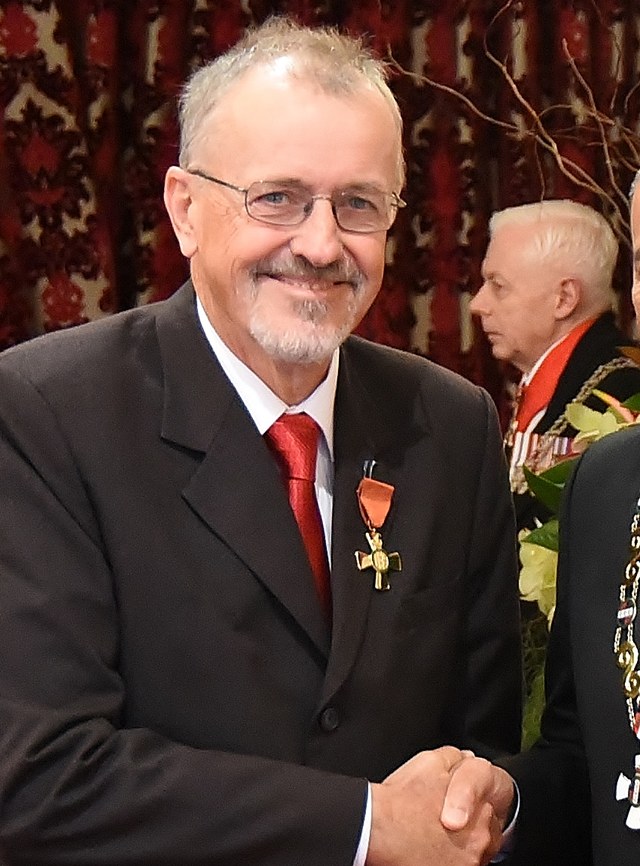
Russell Bishop
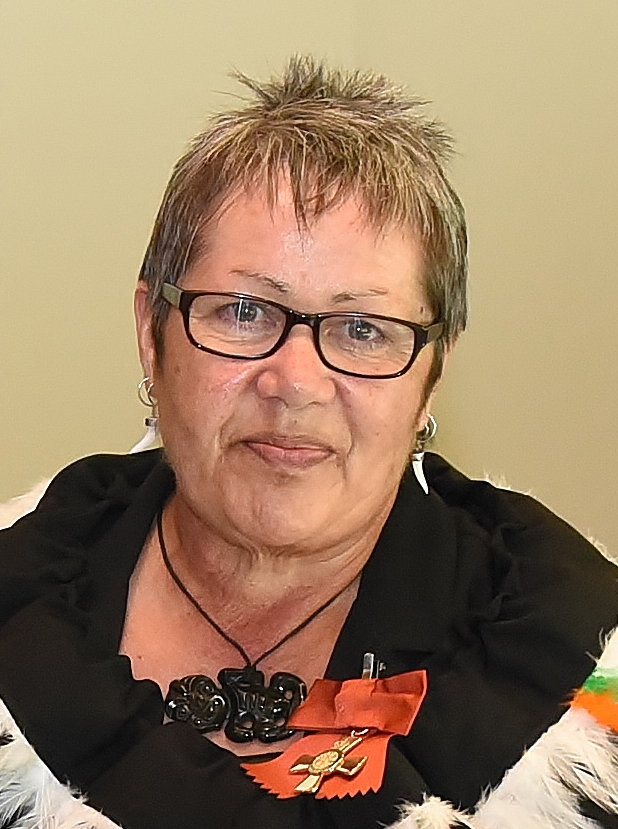
Mere Berryman
Tanya Wendt Samu
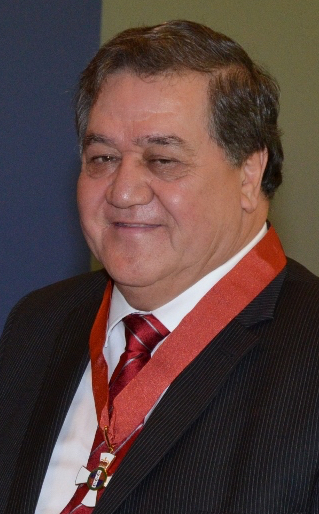
Graham Smith
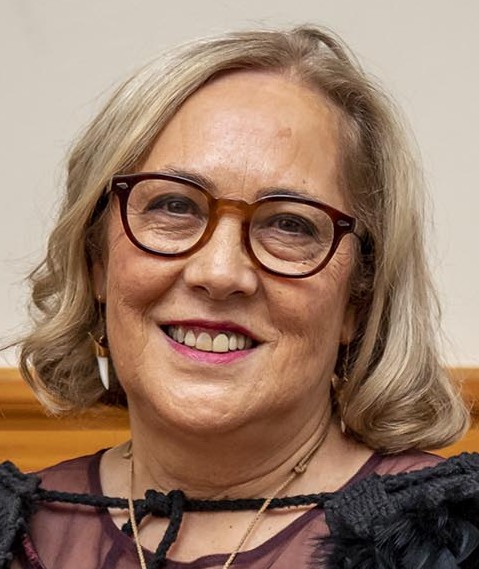
Linda Tuhiwai Smith
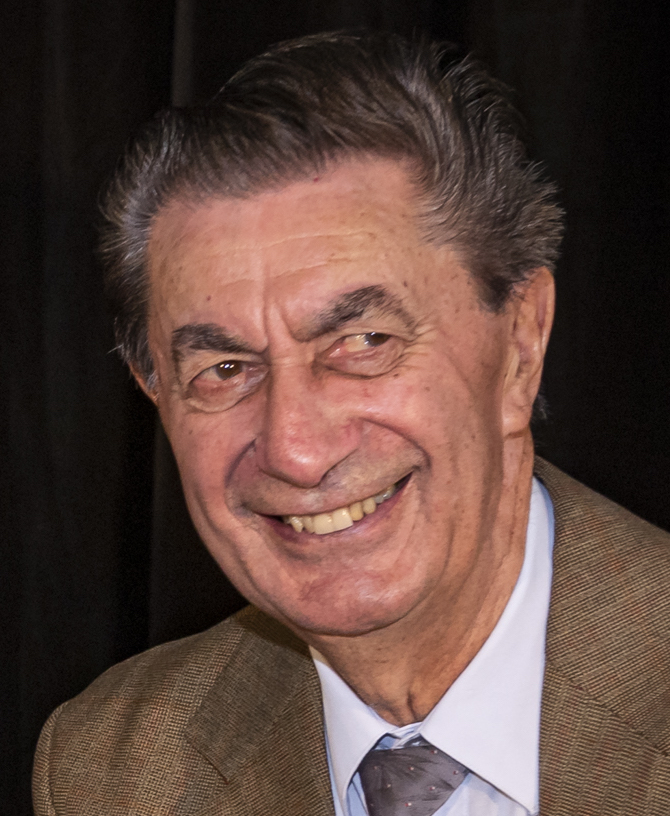
Angus Macfarlane
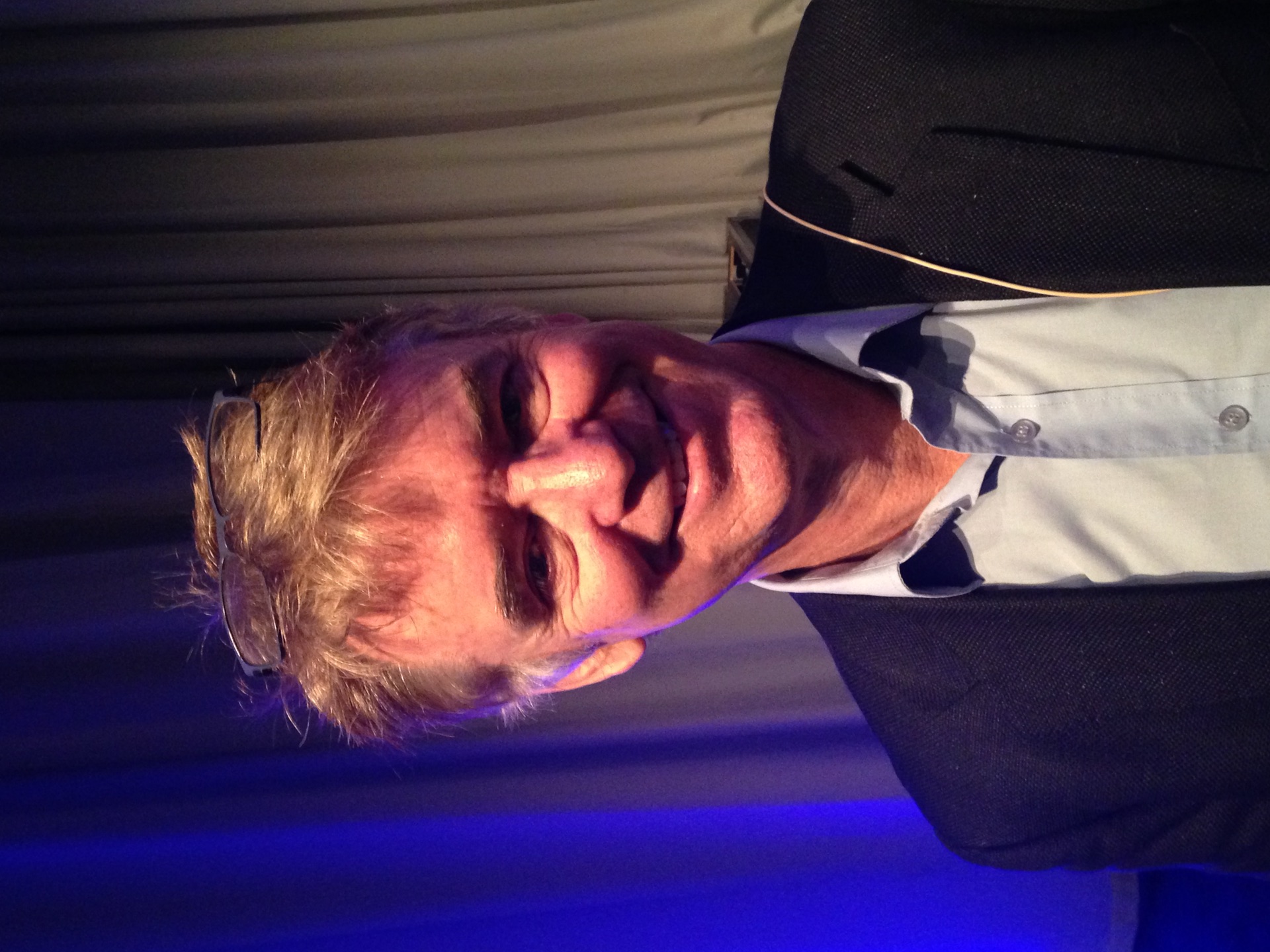
John Hattie

Graham Nuthall
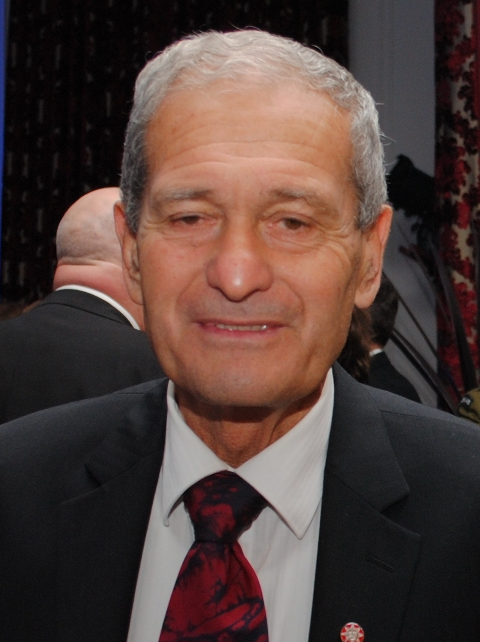
Mason Durie

Wally Penetito

Sylvia Ashton-Warner

Rose Pere

Tilly Reedy
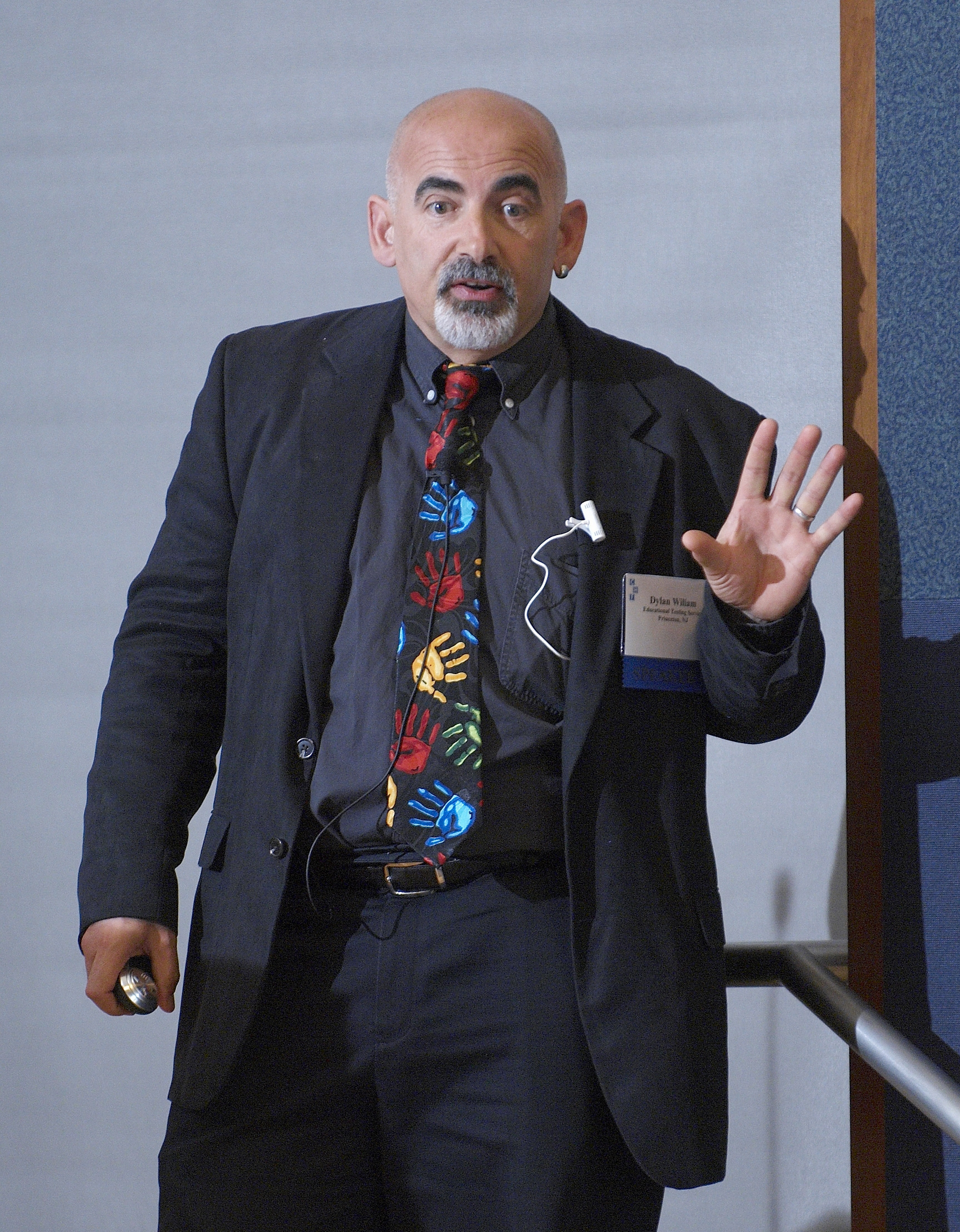
Dylan Wiliam
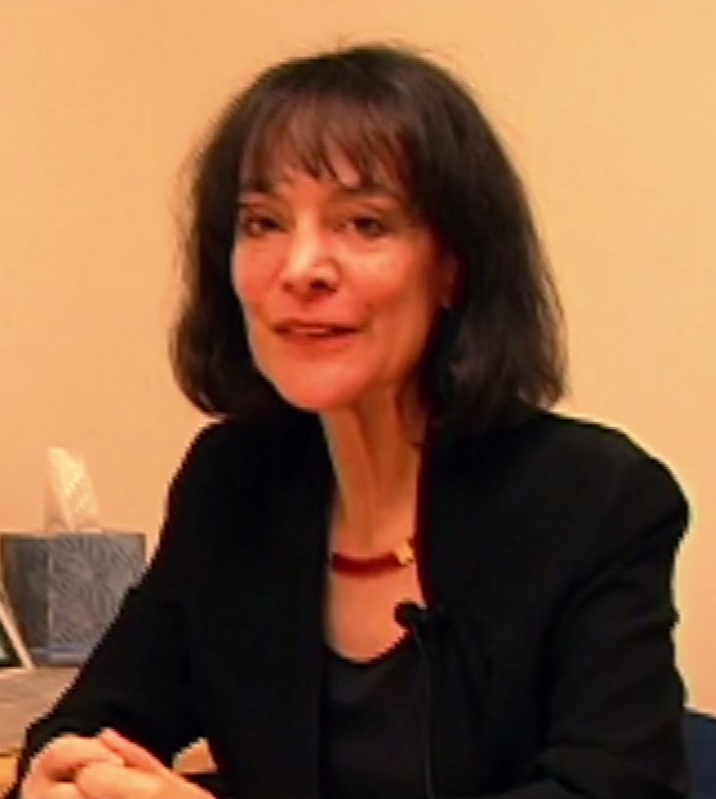
Carol Dweck
Howard Gardner
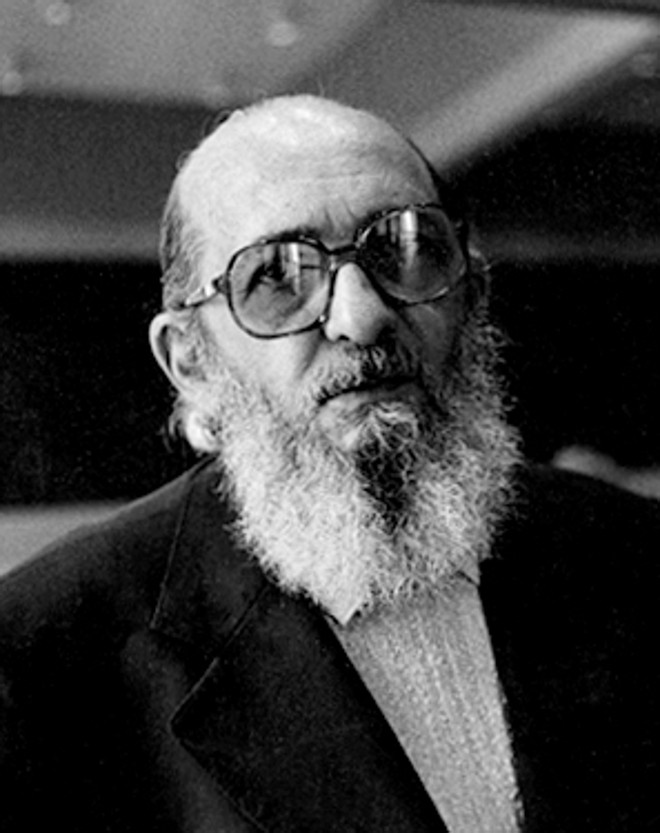
Paulo Freire
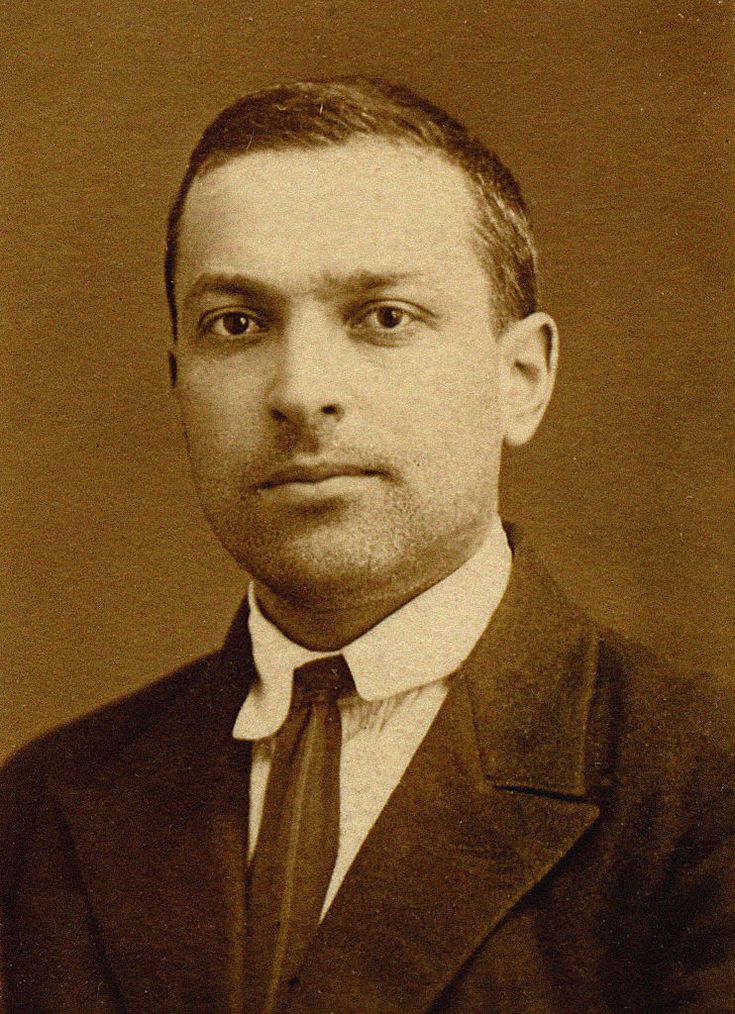
Lev Vygotsky
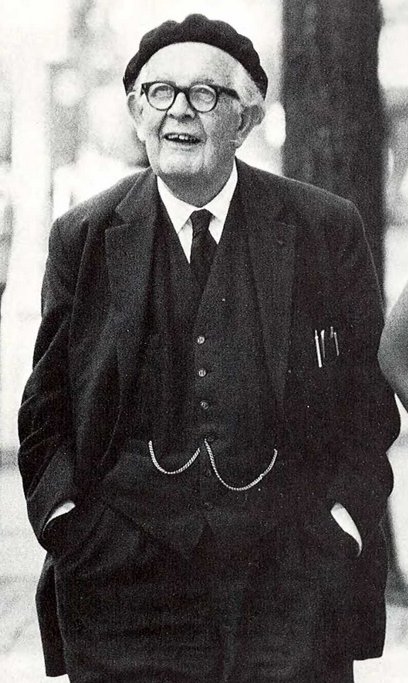
Jean Piaget
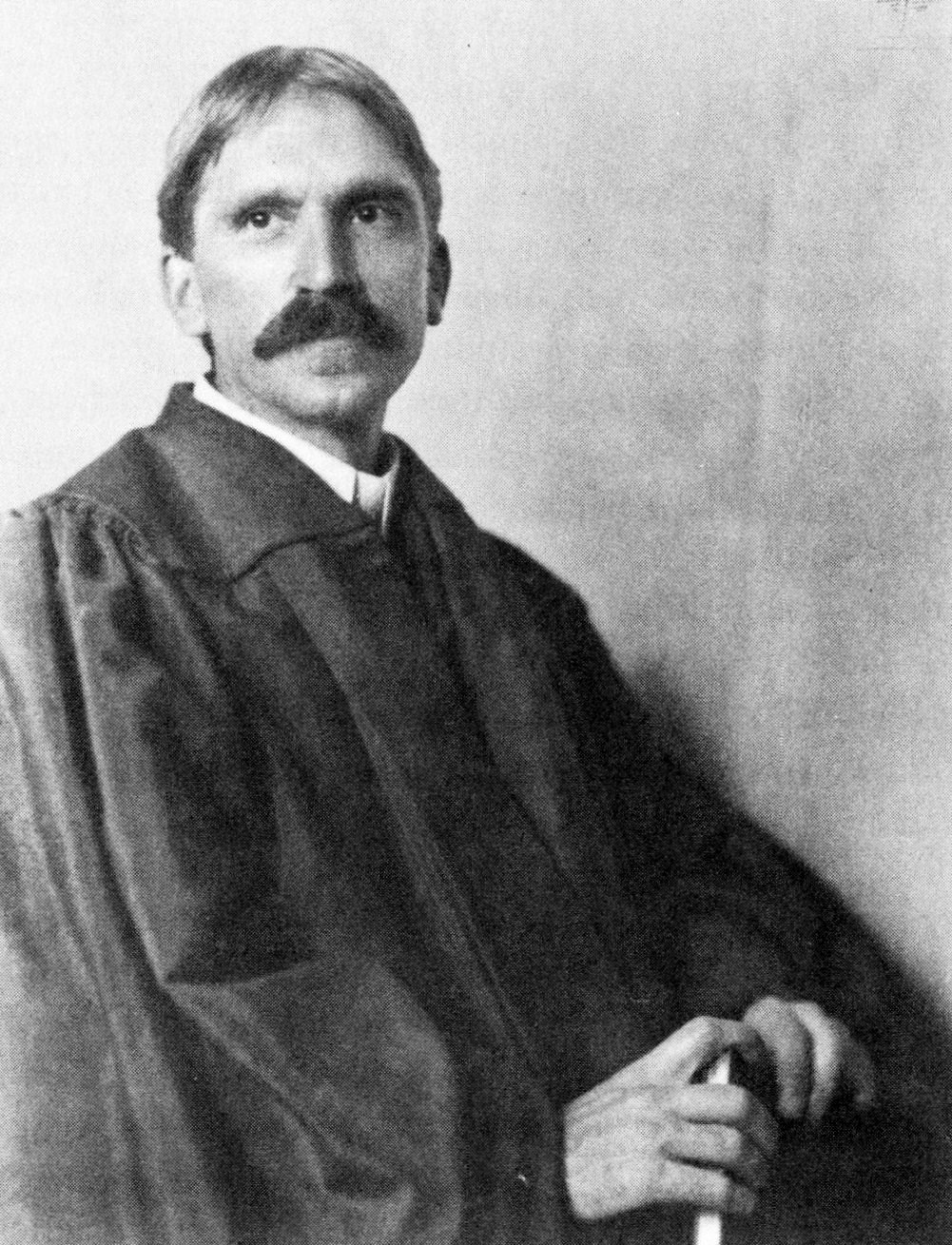
John Dewey

Clive McGee
Core Concepts
Fifteen core pedagogical concepts organised by category. Each is grounded in research and connected to classroom practice in Aotearoa.
Ako
Māori concept meaning both to learn and to teach — a reciprocal, relational view of knowledge exchange.
Learn More →Whanaungatanga
Building relationships and belonging through shared experience, whakapapa, and community connection.
Learn More →Kaupapa Māori Education
Education grounded in Māori philosophy and practice — validating language, culture and identity as the foundation.
Learn More →Culturally Responsive Pedagogy
Teaching that uses students’ cultural backgrounds, identities and knowledge systems as powerful learning assets.
Learn More →Manaakitanga
Uplifting the mana of others through care, hospitality, safety, and respect — the relational heart of the classroom.
Learn More →Formative Assessment
Ongoing assessment to monitor understanding and adjust teaching in real time. The foundation of responsive practice.
Learn More →Visible Learning
Hattie’s synthesis of 1,200+ meta-analyses. Making learning and teaching visible through feedback and high expectations.
Learn More →Social Constructivism
Vygotsky’s insight: knowledge is built through social interaction. Learning is a collaborative, dialogic act.
Learn More →Zone of Proximal Development
The productive gap between what a learner can do alone and with skilled support. The target for teaching.
Learn More →Inquiry Learning
Student-driven exploration through genuine questions, investigation, and discovery. Rooted in Dewey’s philosophy.
Learn More →Project-Based Learning
Learning through authentic, extended projects that engage students with real problems, audiences, and products.
Learn More →Cooperative Learning
Structured group work with positive interdependence, individual accountability, and shared learning goals.
Learn More →Critical Pedagogy
Freire’s vision: education as a practice of freedom. Students as active agents questioning power structures.
Learn More →Communication Competency
Developing dialogue, active listening, PEEL argumentation, and collaborative speaking skills across curriculum subjects.
Learn More →Growth Mindset
Dweck’s research: the belief that intelligence grows changes how students approach challenges, setbacks, and effort.
Learn More →Differentiated Instruction
Tailoring content, process, and product to meet diverse learner needs — proactive inclusive design.
Learn More →Multiple Intelligences
Gardner’s challenge to narrow IQ definitions — recognising linguistic, logical, musical, spatial and embodied strengths.
Learn More →Cultural Competencies
The official Teaching Council frameworks that define what culturally responsive practice looks like for teachers of Māori and Pasifika learners in Aotearoa.
Tātaiako
The cultural competencies for teachers of Māori learners, co-developed with NZSTA and the Māori community. Five interwoven competencies with progressive indicators from ITE entry through to educational leadership.
Tapasā
The cultural competencies framework for teachers of Pacific learners, grounded in the values and worldviews of Pacific peoples. Three turu (pillars) anchor 59 indicators of teacher behaviour that support Pacific learners to thrive.
Teaching Frameworks
Practical tools and frameworks for culturally responsive, evidence-based teaching practice in Aotearoa classrooms.
Rārangi Arotake
Cultural Validation Checklist — an interactive framework for reviewing resources for cultural responsiveness and authenticity. Printable with progress tracking.
Open Checklist →Effective Teaching Profile
Bishop & Berryman’s seven-characteristic framework for teaching Māori students: manaakitanga, high expectations, ako, power-sharing, and whānau knowledge.
Explore ETP →NZC Inquiry Cycle
The New Zealand Curriculum’s teacher inquiry and knowledge-building cycle (2007, p.35). Foundation for the CIA capstone in ITE programmes.
Explore Cycle →Te Whare Tapa Whā
Mason Durie’s holistic wellbeing model: taha tinana, taha hinengaro, taha wairua, taha whānau — the four walls of the whānau home.
Explore Model →Six Principles of Kaupapa Māori
Graham Smith’s foundational framework: tino rangatiratanga, taonga tuku iho, ako Māori, kia piki ake, whānau, and kaupapa.
Explore Principles →Assessment for Learning (AfL)
Dylan Wiliam’s five key strategies for formative assessment — from learning intentions through peer and self-assessment.
Explore AfL →Universal Design for Learning
Plan for learner variability from the start — multiple means of engagement, representation, and action, so no ākonga needs a retrofit.
Explore UDL →Reflective Practice
Schön’s reflection in and on action and Gibbs’ cycle — the discipline of turning classroom experience into deliberate improvement.
Explore Reflection →Study Modules
Structured study resources for Initial Teacher Education students in Aotearoa. Each module synthesises theory, research, and practical application for ITE assignments and practicum preparation.
🧭 Writing a capstone inquiry?
Most ITE capstones ask the same thing: run a teaching-as-inquiry cycle on practicum and defend it with evidence. Three modules do the heavy lifting — Teacher Inquiry Cycle for the structure, How Students Learn for your literature base, and Assessment for Learning for the before-and-after evidence your marker wants to see.
ITE Programmes Compared
A clear-eyed guide to every initial teacher education pathway in Aotearoa — from university programmes to employment-based routes and TeachNZ scholarships. Essential reading for teacher students choosing or navigating their programme.