Kōrero Ngaio — Professional Collegial Discussion:
Student Engagement, Literacy, and Cross-Curricular Learning
Nāu te rourou, nāku te rourou, ka ora ai te iwi.
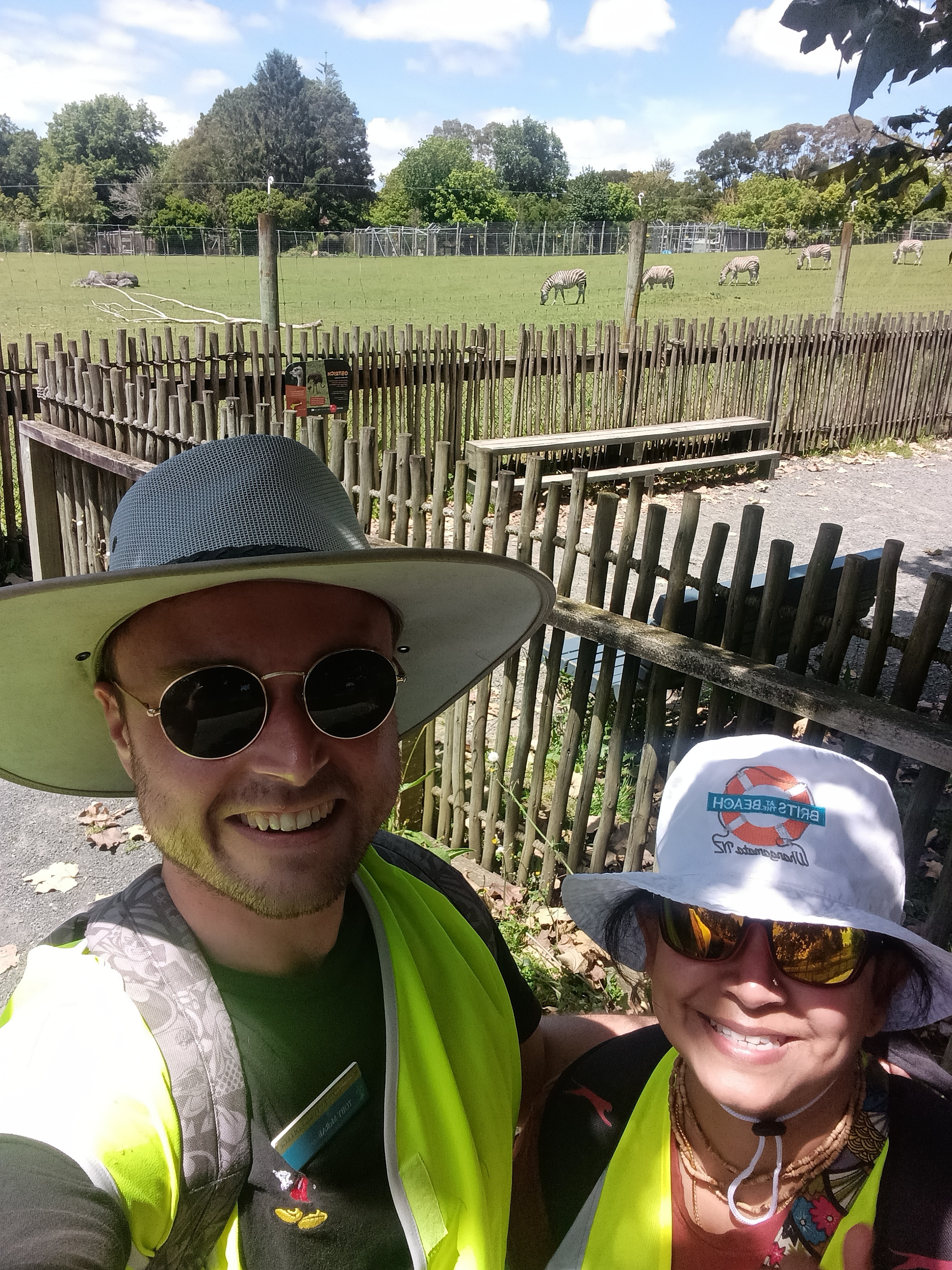
With your basket and my basket, the people will thrive.As an online learner enrolled in EDPROFST 613, Toby was not assigned to a peer discussion group during the scheduled February 24–28 window. The collegial kōrero documented here took place instead with Vidya Ram, Year 8 Learning Facilitator — an experienced colleague who organised and led a school field trip to Auckland Zoo that Toby participated in as a Learning Assistant Teacher. It was his first significant field trip as a teacher, and the context proved to be a generative one: the zoo visit itself became a living lens for exploring what genuinely engages tamariki and why. The discussion that unfolded across the day drew on shared observation, professional trust, and a mutual commitment to the kind of dialogue that Freire (1970) describes as truly educational — not the transfer of information from one person to another, but the co-construction of understanding through critical encounter with the world.
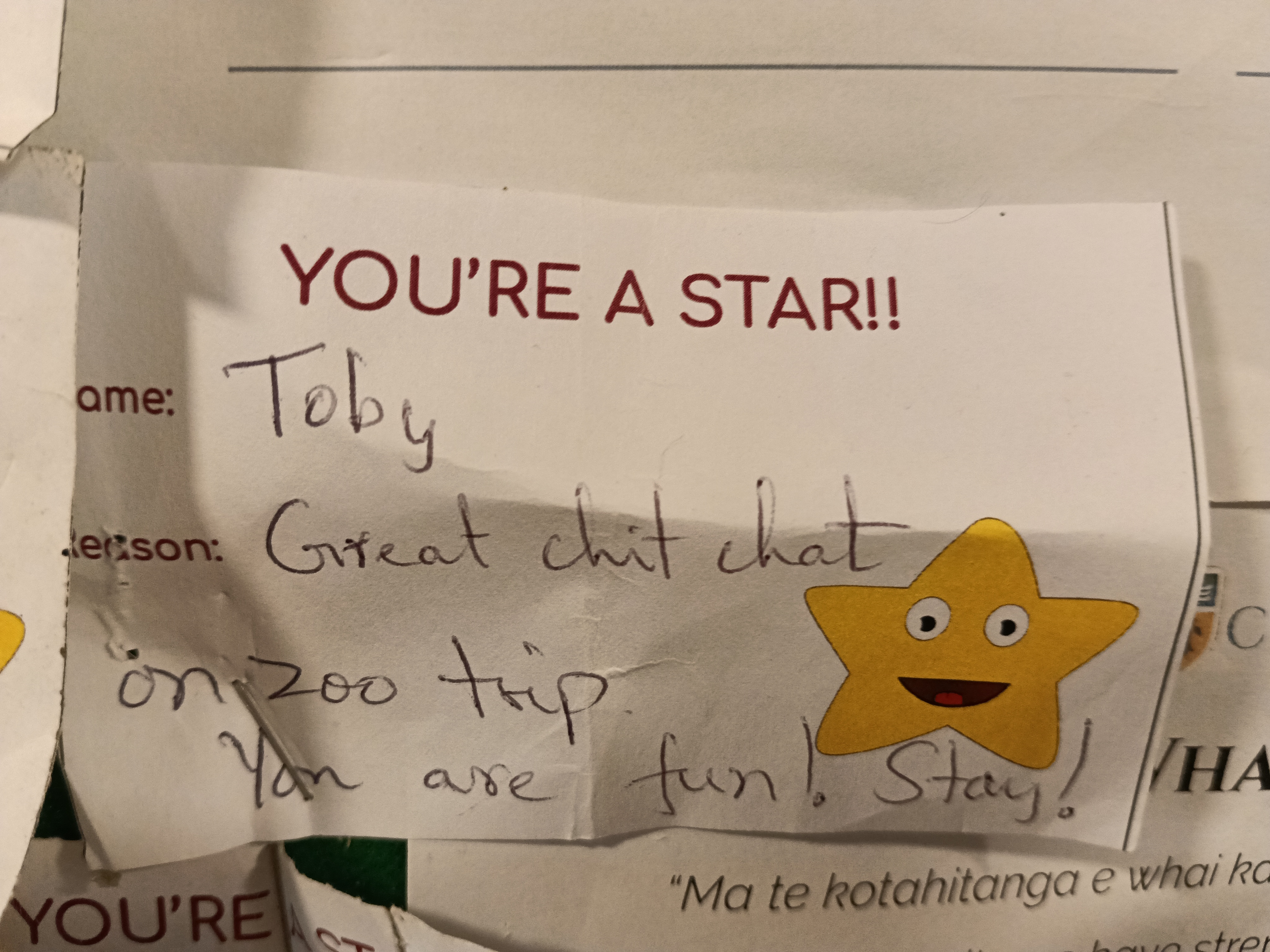
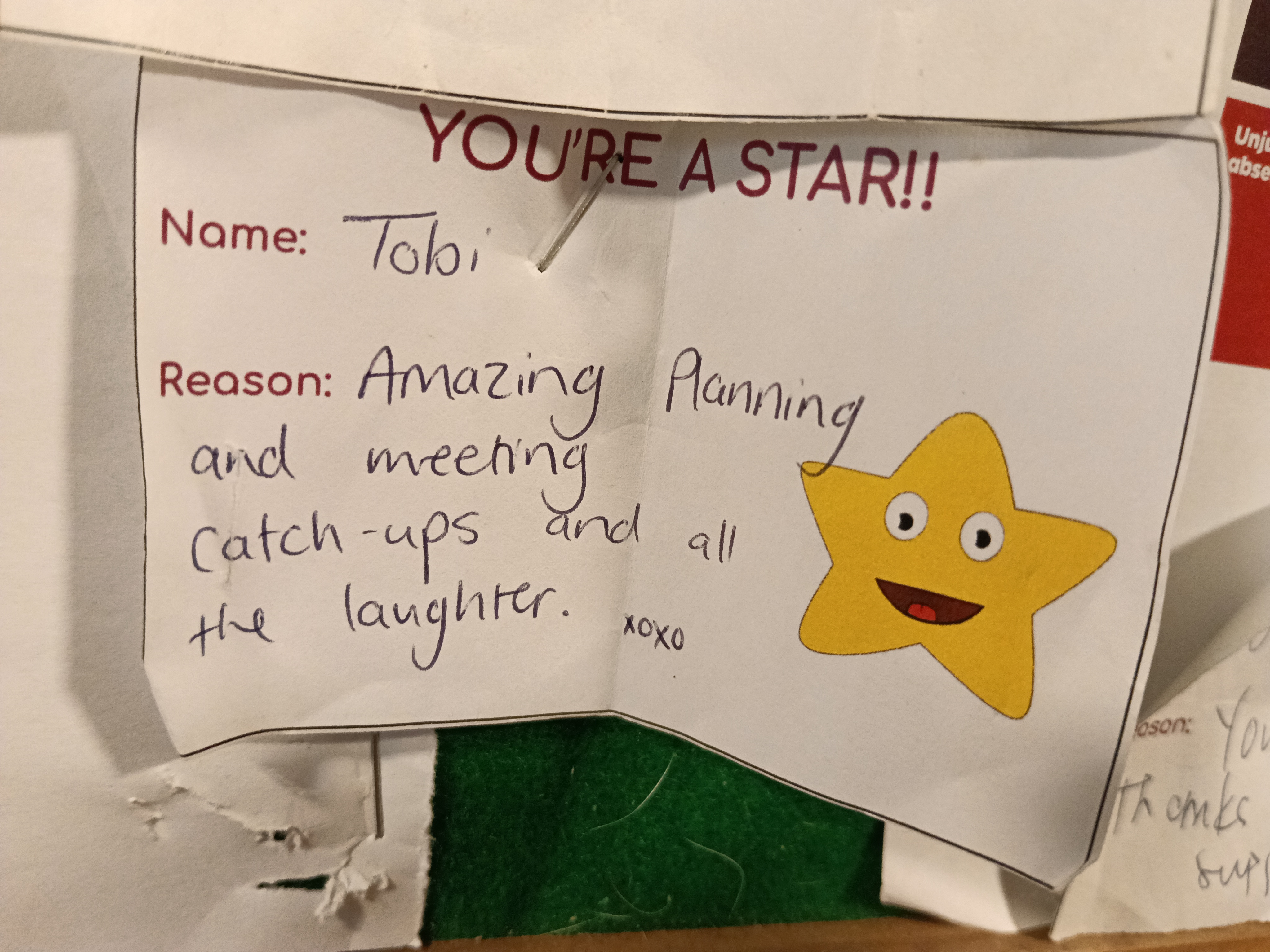
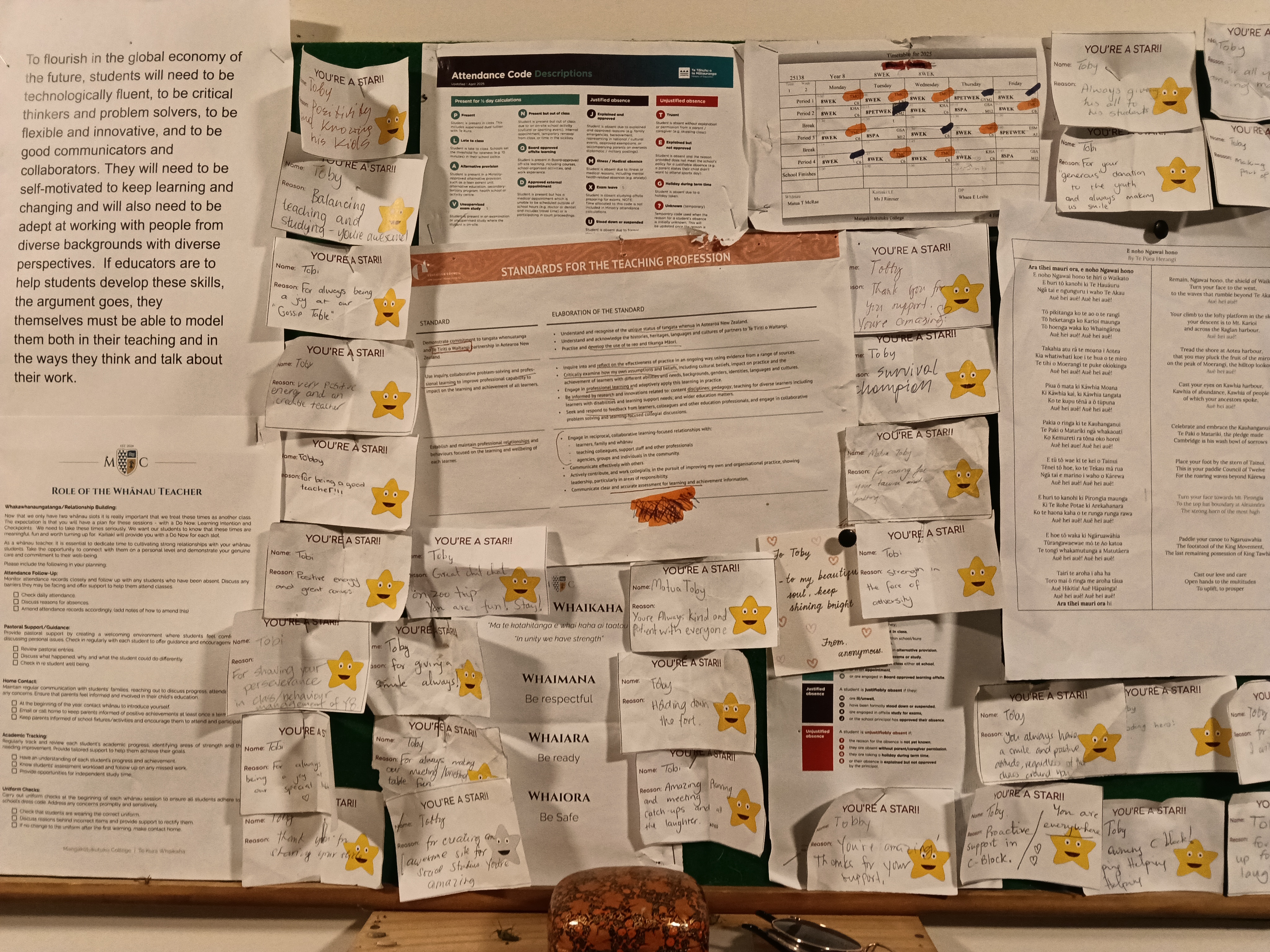
⭐ Written Commendations — Evidence
Vidya and Toby began by sharing close observations of ākonga — stories of motivation, disengagement, and the moments where something had genuinely clicked. A central theme emerged early: the gap between surface compliance and authentic engagement. The zoo environment had made this contrast unusually vivid. Tamariki who were typically switched off in the classroom were visibly curious, collaborative, and persistent in this context — asking unprompted questions, making connections across subjects, sustaining attention in ways that would have been difficult to predict from their classroom behaviour. Vidya observed that these were not different students — they were the same students, in different conditions. That framing shaped everything that followed.
The kōrero turned to the role of relevance and literacy in sustaining ākonga motivation. Vidya raised a point that resonated strongly: students who struggle with reading and writing face compounding disadvantage across every learning area, and this progressive erosion of confidence and capability undermines their sense of agency and belonging in school. The argument was that literacy teaching cannot be siloed within the English classroom — it must be woven through every subject if ākonga are to develop genuine voice across the curriculum. Evidence from the zoo visit supported this: tamariki who could connect what they were seeing to their own language, knowledge, and whakapapa were demonstrably more engaged and willing to take intellectual risks.
This connects directly to self-determination theory (Deci & Ryan, 2000): ākonga whose need for competence is persistently frustrated by literacy barriers are unlikely to experience the autonomy and capability that sustains intrinsic motivation. It also resonates with Freire's (1970) critique of banking education — the model in which knowledge is deposited into passive recipients — as fundamentally demotivating. When tasks are designed to make knowledge accessible through oral language, visual scaffolding, and hands-on inquiry, the same learners who disengage from text-heavy instruction often show markedly different orientations to learning.
The zoo context prompted a rich conversation about equity and access. Vidya and Toby discussed the ways in which experiential learning — field trips, inquiry-based projects, cross-curricular investigations — disproportionately benefits ākonga who do not connect with abstract, desk-bound pedagogy. These are often the same learners who carry additional marginalisation: students from lower socioeconomic backgrounds, students whose home languages are not the language of instruction, and students whose identities and whakapapa are not reflected in what they are asked to engage with. Bishop and Berryman's (2009) Te Kotahitanga research documents precisely this pattern: when kaiako reject deficit thinking and instead position themselves as agents of change in the service of their ākonga, engagement and achievement shift markedly — not because students change, but because the relational and pedagogical conditions around them do. Berryman (2013) extends this further, arguing that culturally responsive practice is not an add-on but the foundation from which everything else must be built.
Vidya noted that the cross-curricular connections available at the zoo — geometry through enclosure mapping, ecology through adaptation, social studies through the relationship between Māori and taonga species — shift the experience from entertainment to genuine mātauranga. This is particularly significant for ākonga who rarely see their own knowledge systems reflected in school learning. Streaming and prior labelling, Toby observed, tend to close down these opportunities for precisely the students who most need them — a dynamic that expectancy-value theory (Eccles, 1983) helps explain: when ākonga do not see themselves as capable in traditional academic contexts, the perceived cost of engagement outweighs the perceived utility, and withdrawal becomes rational.
Vidya reflected that the kōrero had reinforced her commitment to building deliberate cross-curricular richness into every field experience — not leaving connections implicit or treating the trip as a stand-alone event. She noted that the kind of critical, wānanga-style dialogue they had engaged in during the day — turning observation into theory, and theory back into practice — was itself the model of professional learning she wanted to bring into her team.
For Toby, the most significant insight was the reframing of the zoo trip as a natural experiment in engagement: remove the desk and the worksheet, and ākonga who are typically disengaged become curious, persistent, and collaborative. The implication is not that school should always take place outside — but that motivation is not a fixed property of students. It is a property of the conditions that kaiako and schools design. This is at the heart of what Bishop and Berryman (2009) mean by rejecting a culture of low expectations: change the conditions, and ākonga respond. Freire (1970) would call it conscientisation — the moment when both teacher and student recognise the world as something that can be transformed rather than simply endured. That recognition, Toby left the zoo carrying.
Reference List
- Berryman, M., SooHoo, S., & Nevin, A. (Eds.). (2013). Culturally responsive methodologies. Emerald.
- Bishop, R., & Berryman, M. (2009). The Te Kotahitanga effective teaching profile. Set: Research Information for Teachers, 2, 27–33.
- Deci, E. L., & Ryan, R. M. (2000). The "what" and "why" of goal pursuits: Human needs and the self-determination of behavior. Psychological Inquiry, 11(4), 227–268.
- Eccles, J. S. (1983). Expectancies, values, and academic behaviors. In J. T. Spence (Ed.), Achievement and achievement motives (pp. 75–146). W. H. Freeman.
- Freire, P. (1970). Pedagogy of the oppressed. Continuum.
📋 Submission Notes
- Context: Online learner — not assigned to a peer group. Discussion conducted during Auckland Zoo field trip in LAT role.
- Discussion partner: Vidya Ram, Year 8 Learning Facilitator — organised and led the field trip
- Framework: Davies & Girard four-respects model — whakaaro tuatahi, rua, toru, whā
- Theoretical lenses: Freire (1970), Bishop & Berryman (2009), Deci & Ryan (2000), Eccles (1983)
- Additional evidence: Written commendation from Vidya Ram to be submitted alongside this page
- Referencing: APA 7th Edition
🎓 Marker Feedback · 100% (A+)
Awarded full marks — 20/20.
— EDPROFST 613 · The Adolescent Learner